
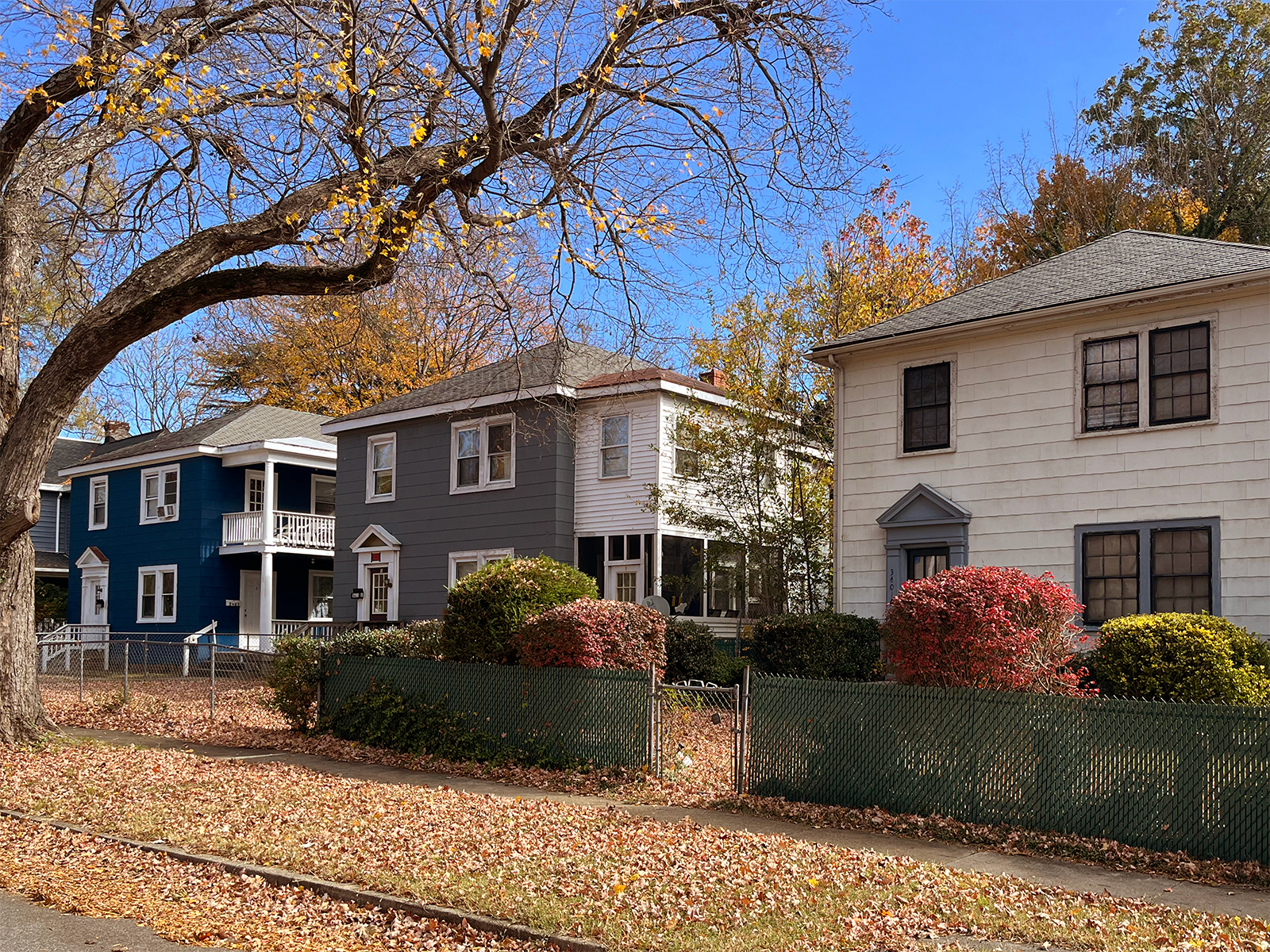
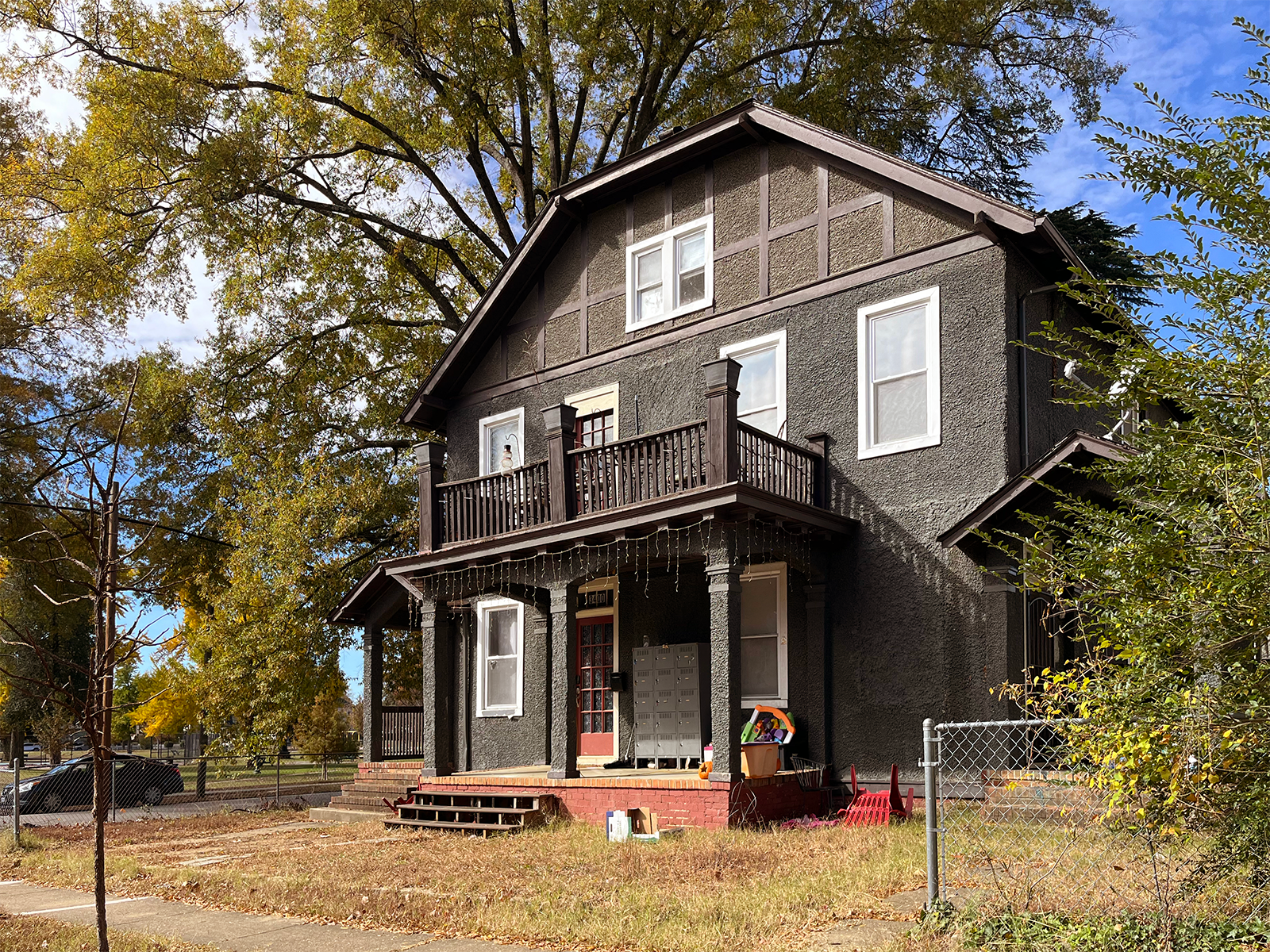
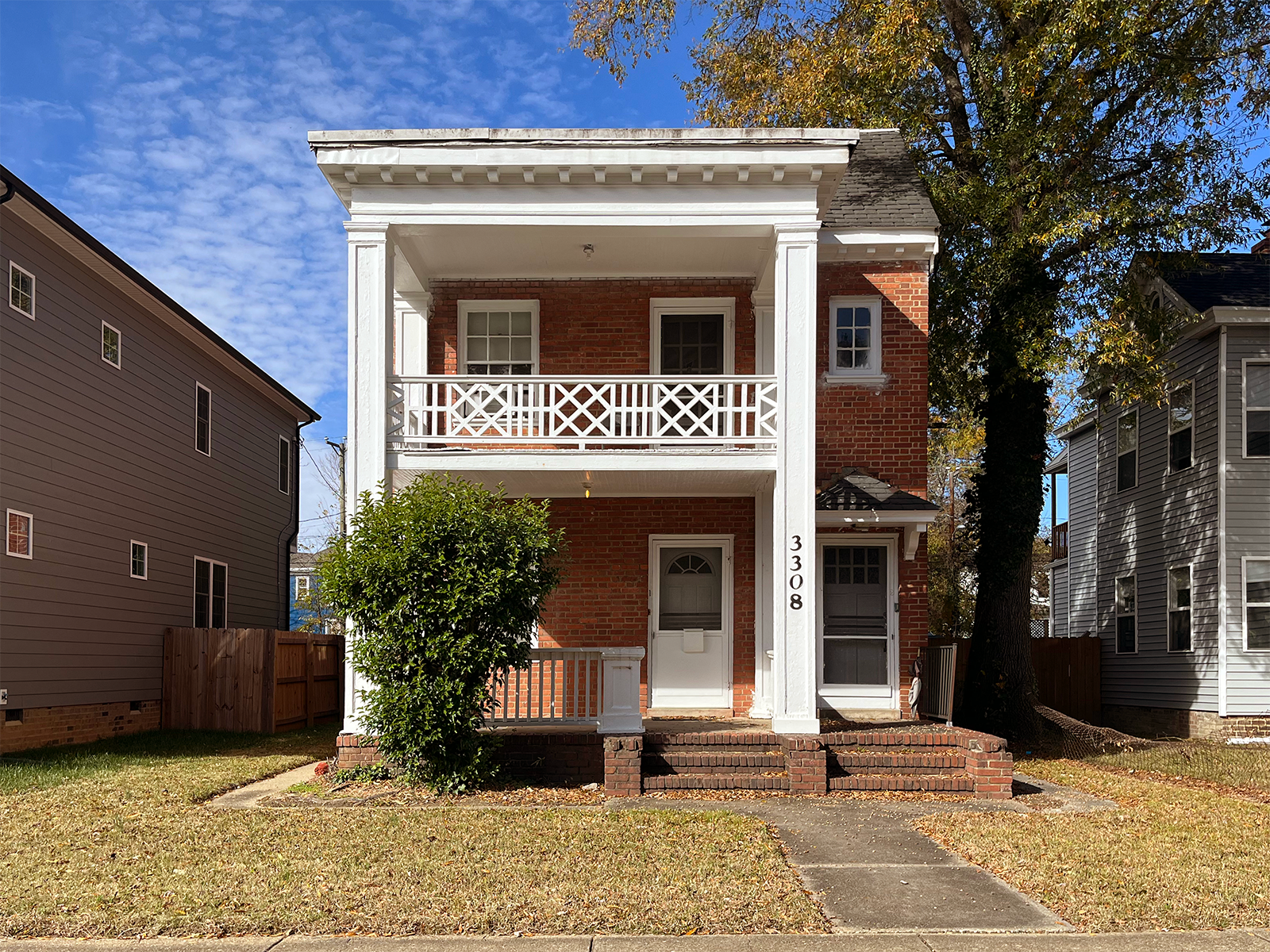
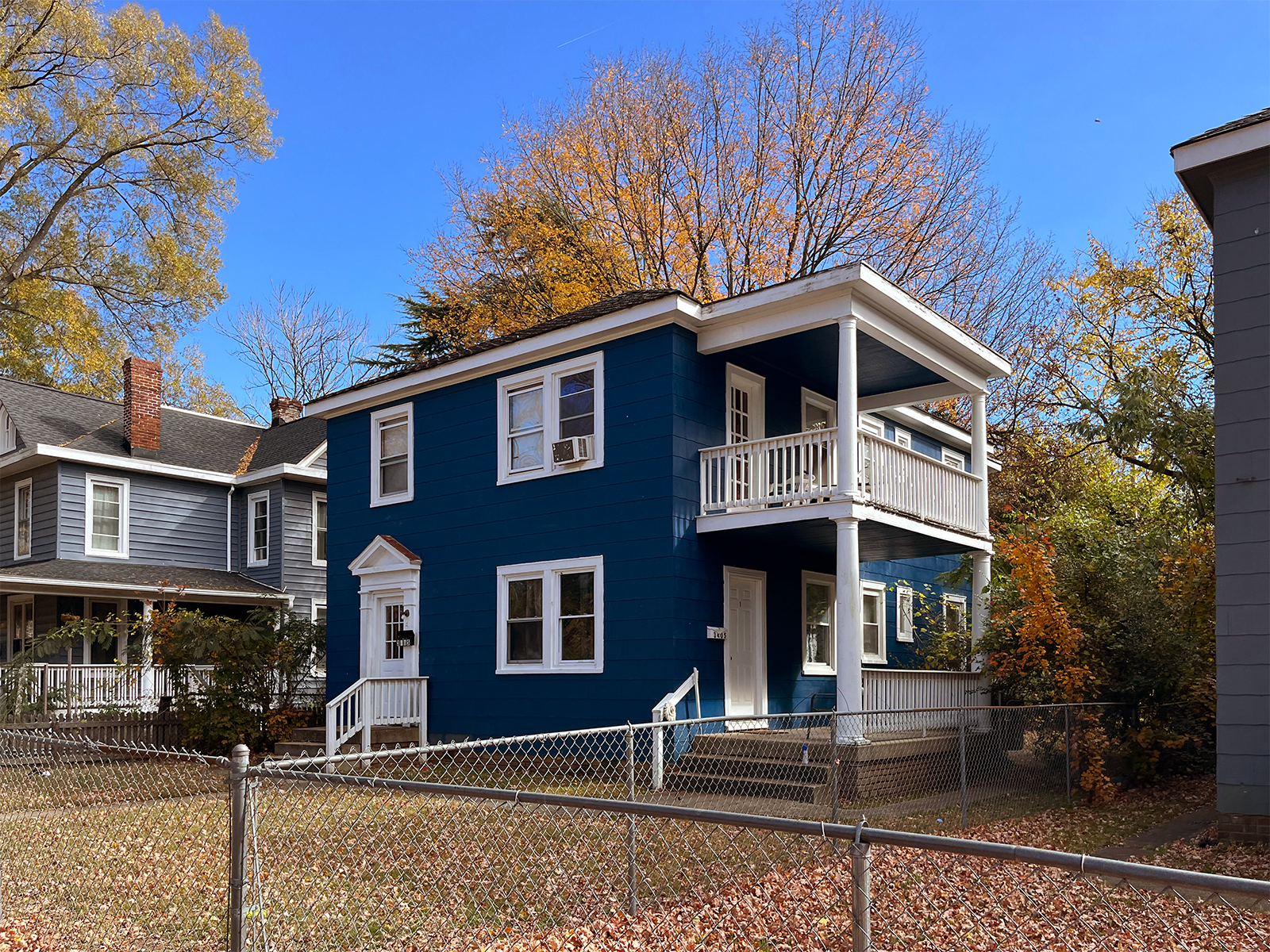
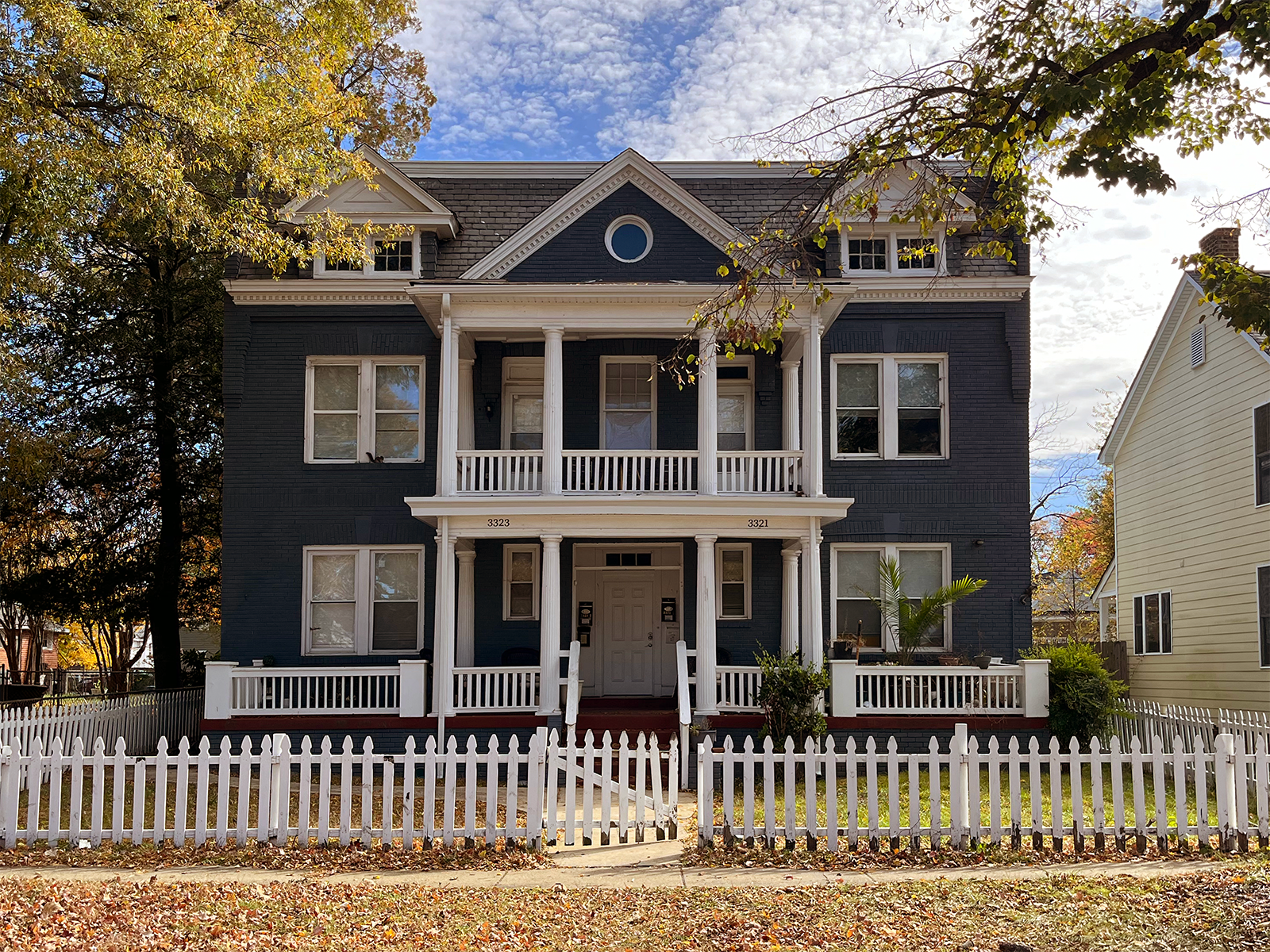
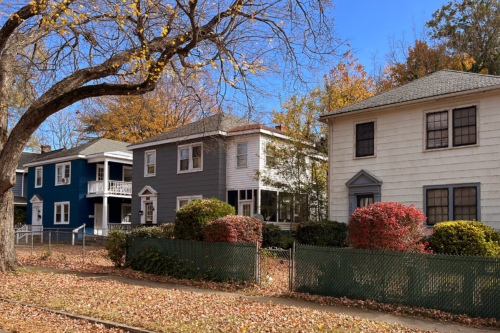
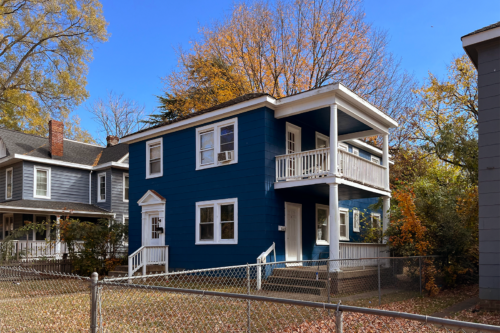
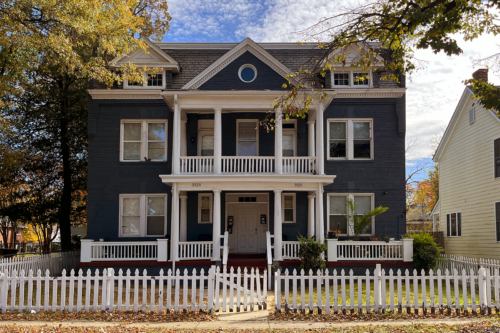
North Highland Park is one of Richmond’s quintessential streetcar suburbs. In 1891, the Richmond Union Passenger Railway (known now simply as “the streetcar”) expanded north from Downtown, crossing Bacon’s Quarter Branch on the Fifth Street Viaduct to reach Highland Park. The neighborhood was largely built out by the 1930s. Highland Park was part of the same wave of urban expansion that gave rise to other nearby neighborhoods like Bellevue, Springhill, and Chestnut Hill Plateau (also known as Highland Park Southern Tip).
–
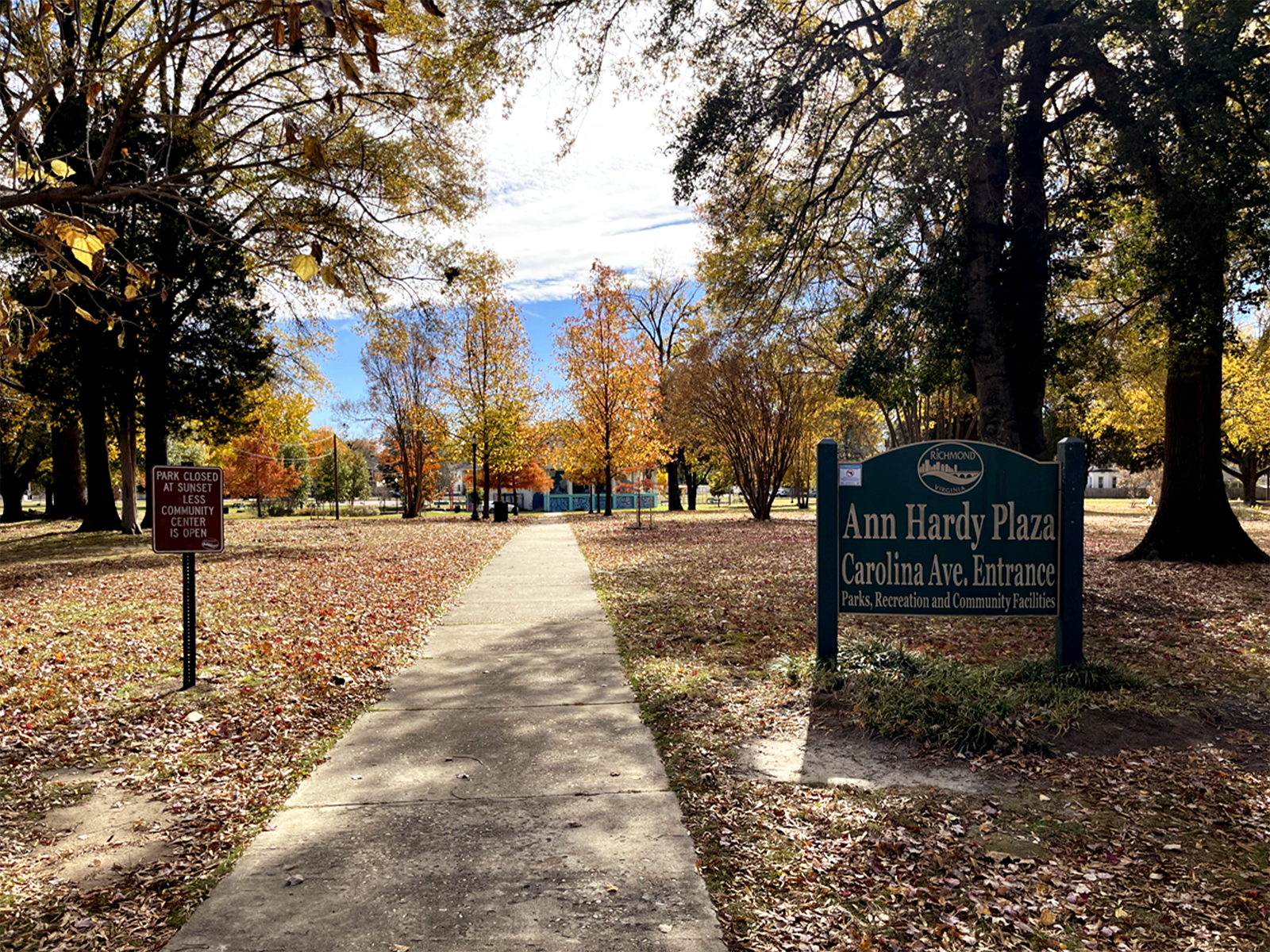
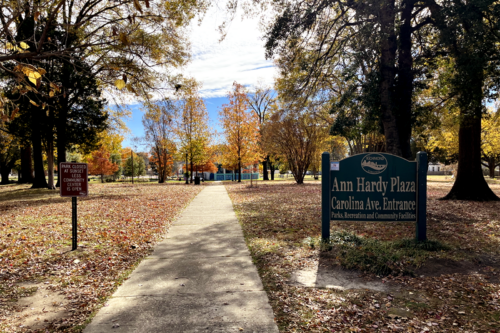
The growth of North Highland Park was fueled by the arrival of large numbers of immigrants from abroad, notably from Germany, Poland, and Italy. The Italian community was particularly strong, with several hundred residents mostly from the Italian region of Tuscany. A plaque commemorating Highland Park’s Little Italy was installed in 2016 in the neighborhood’s central green space, Anne Hardy Plaza. It reads as follows:
–
Italian immigrants were a small but cohesive segment of Richmond’s population by the 1850s. Local artist Ferruccio Legnaioli, who employed many Italian immigrant artisans, influenced the cityscape with his ornamental designs for the facades of prominent buildings early in the 20th century. In 1927 the Italian-American community gave the city a statue of Christopher Columbus, designed by Legnaioli and erected near Byrd Park. From the 1920s to the 1960s about 100 families, primarily from Tuscany, resided in a tight-knit “Little Italy” here in North Highland Park. Central to community life were restaurateur Umberto Balducci’s villa, the Italian Club, and St. Elizabeth Catholic Church.
–
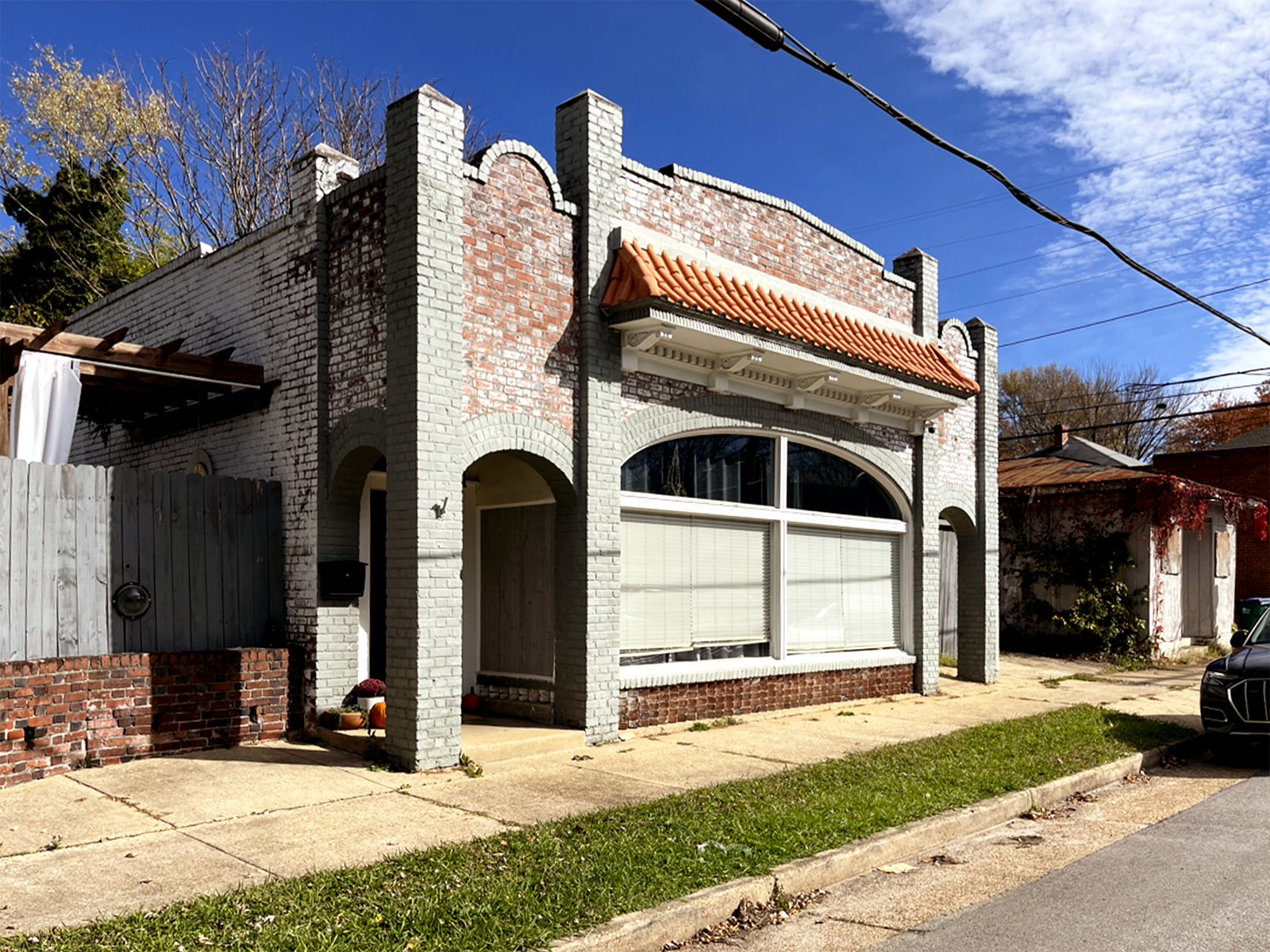
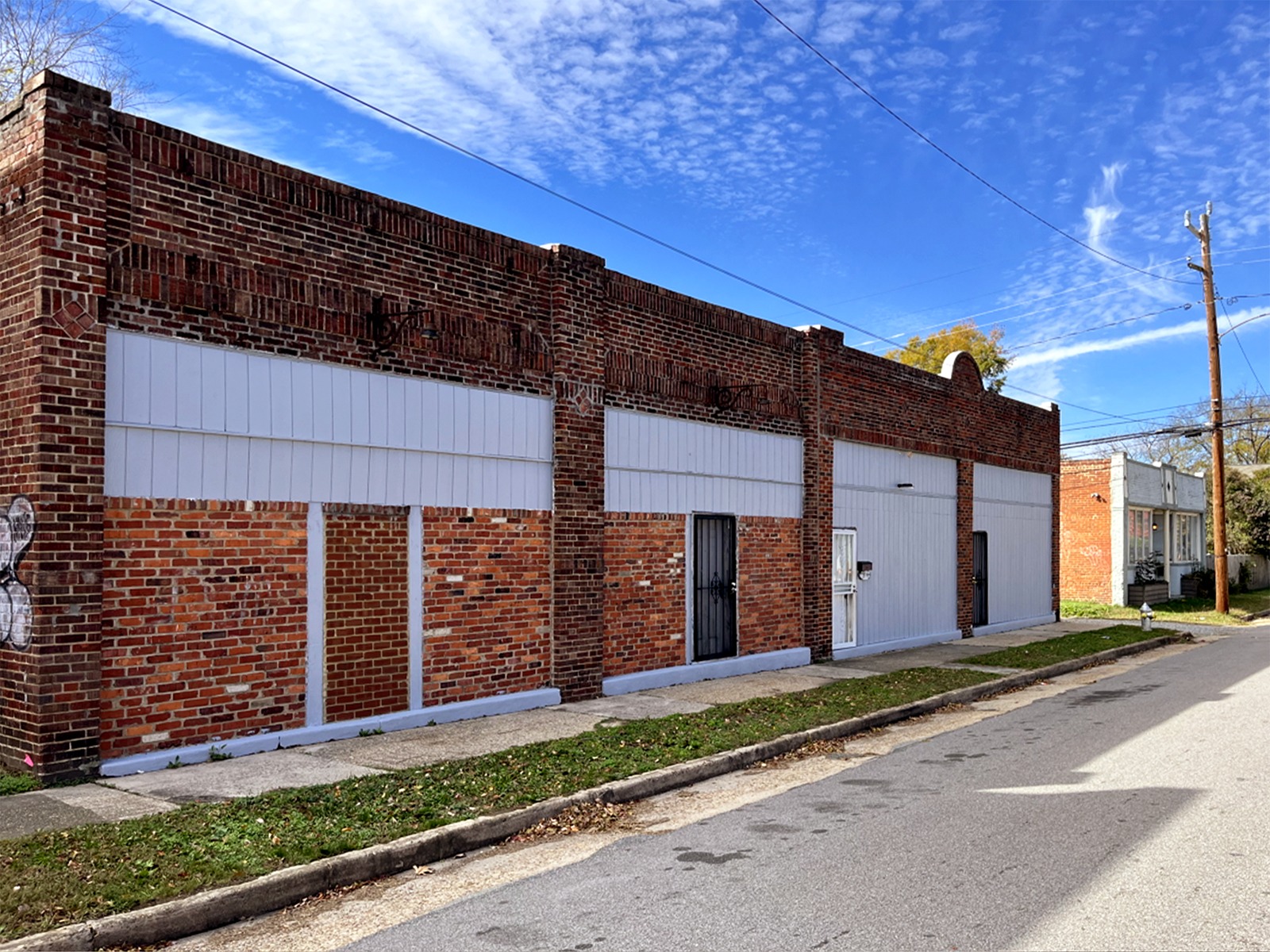
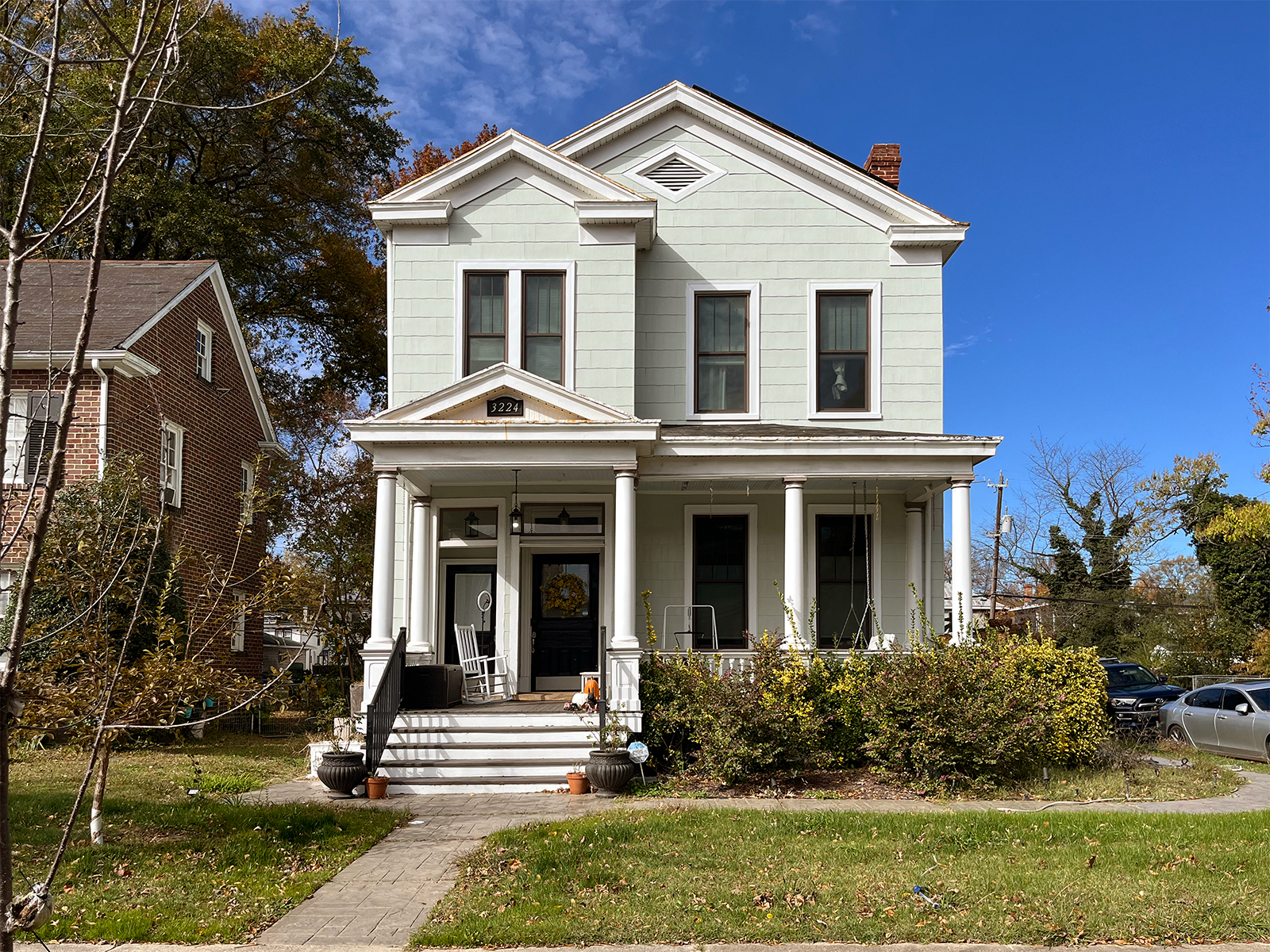
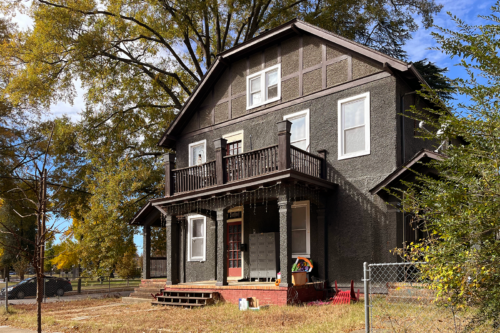
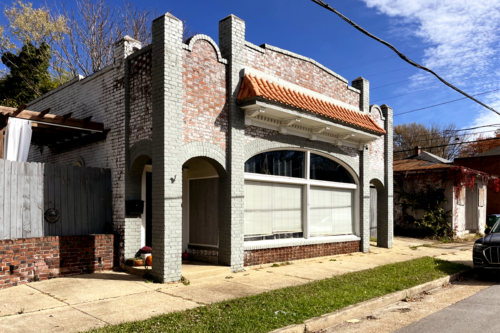
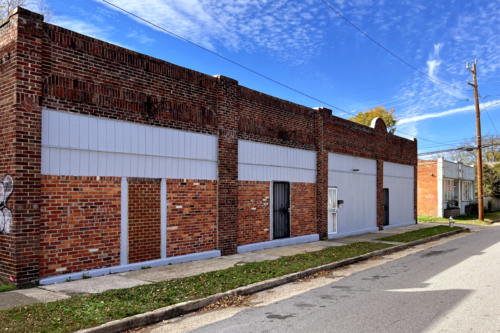
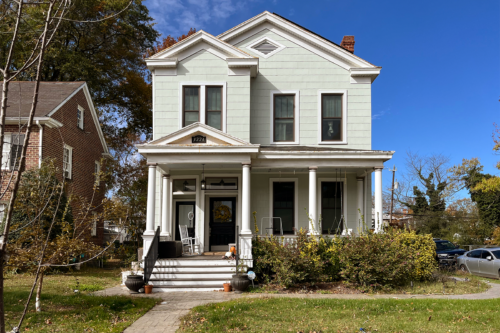
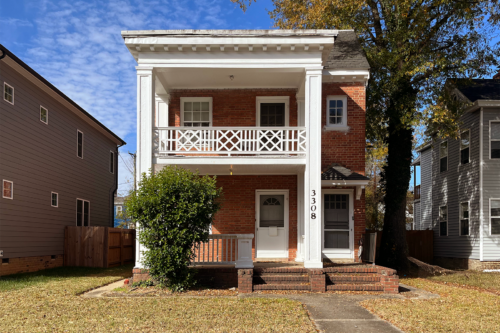
Retail businesses sprouted up along the route of the streetcar which once served the neighborhood, including along Milton Street and Meadowbridge Road. Now most of these spaces are shuttered. Like many other inner-ring suburban neighborhoods in Richmond, North Highland Park became a less walkable, and more purely residential neighborhood in the decades after World War II. Still, the area contains a rich mix of apartment houses and duplexes alongside single family homes, giving it a more urban feeling than contemporary suburban neighborhoods. Popular housing styles in the neighborhood include bungalows, foursquares, and Colonial Revival–style structures, with the occasional Tudor or Queen Anne.
–
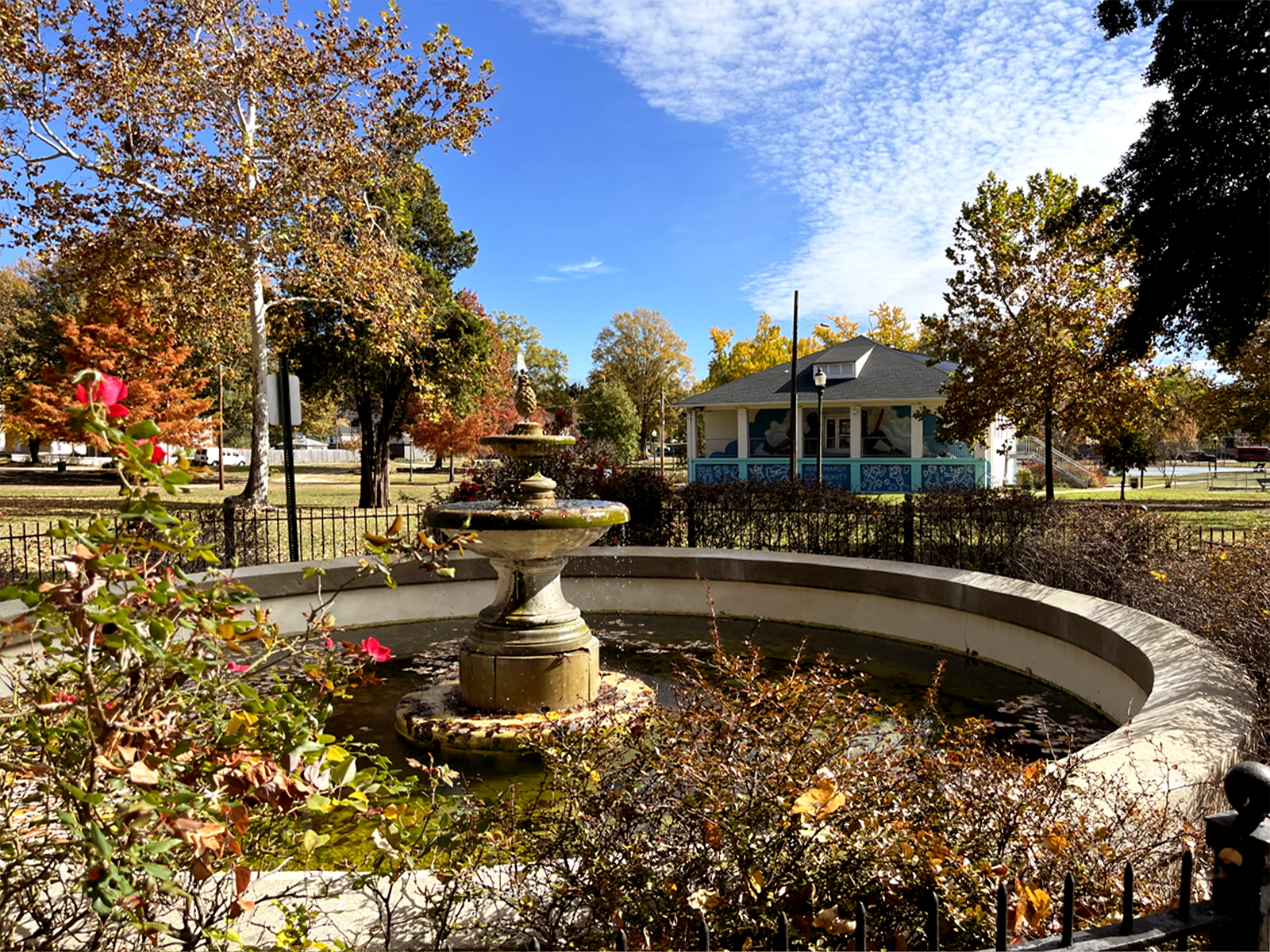
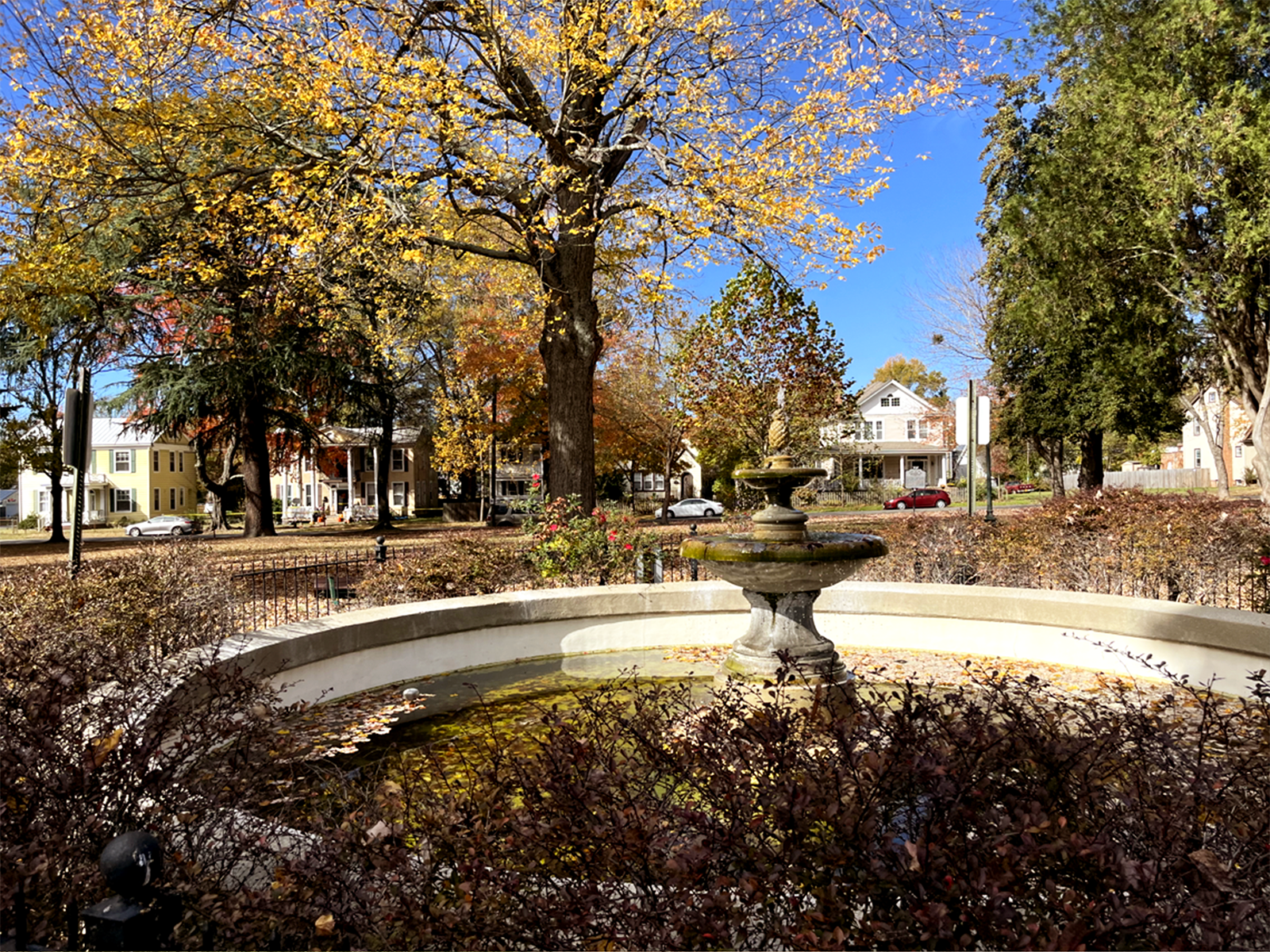
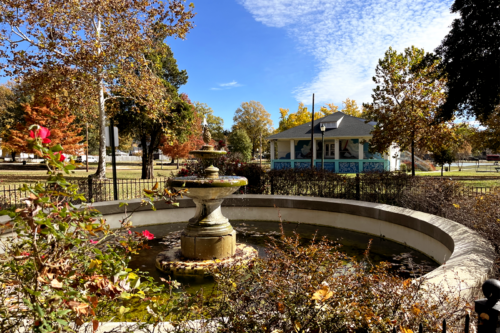
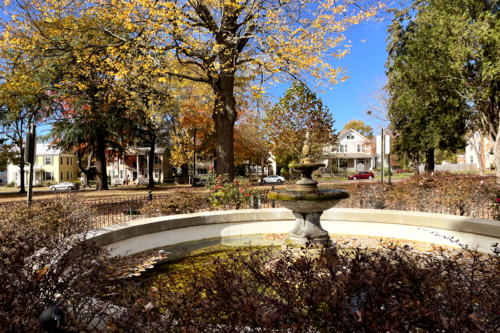
Urban divestment and white flight led many of North Highland Park’s southern and eastern European families out to the counties. In the post-war years, the area has become home to a large African American population. Anne Hardy Plaza remains a vital center of the community, with its park house, fountain, basketball courts, and recently renovated playground. The southern edge of Highland Park abuts Six Points commercial district – a town center of sorts for this area of North Richmond. Nearby are various churches, such as Tabernacle of Praise Temple, Fresh Anointing Cathedral, True Light Ministries, and New Kingdom Church. After decades of stasis, some new houses and apartments are being built in North Highland Park, mirroring the repopulation of other central Richmond neighborhoods.
–
DOK
–
Write a Comment