The Source for Richmond Architecture and Design Information

Union Presbyterian Seminary

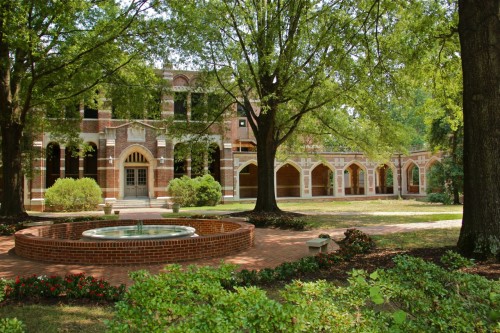
Architects: Charles H. Read, Jr.; The Glave Firm; and Glave & Holmes Architects Date: 1896 and additions and renovations Address: 3401 Brook Road, Richmond Travel along Brook Road through the Ginter Park neighborhood and you’ll unsuspectingly come upon Watts Hall. This glorious hulk of a building houses administrative offices, classrooms and a chapel at Union …
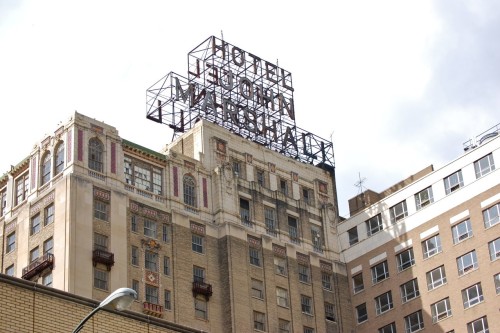
The John Marshall

Architect: Marcellus Wright Dates: 1929 Address: 101 N. 5th Street Erected in 1929, the Hotel John Marshall immediately became an establishment in the city. It’s imposing entrances, grand ballrooms, and bombastic skyline signage were icons of Richmond’s then vibrant Grace Street corridor. The area was home to boutiques, restaurants, and department stores that attracted visitors …

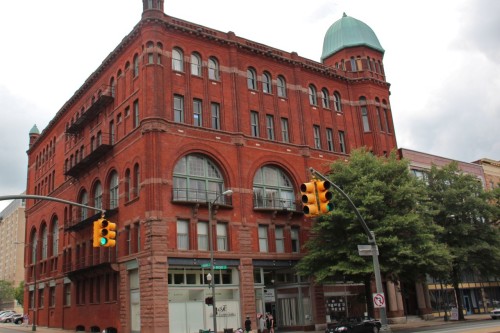
The Renaissance

Architect: Jackson C. Gott Date: 1888-1893 Address: 101-107 West Broad Street Conceived by a planning, financing and laboring of over 40 years by the Virginia Masons, the former Masonic Temple is impossible to miss on Broad Street. It is Richmond’s clearest manifestation of Richardsonian Romanesque, an American style characterized by a robust geometry and massing, …

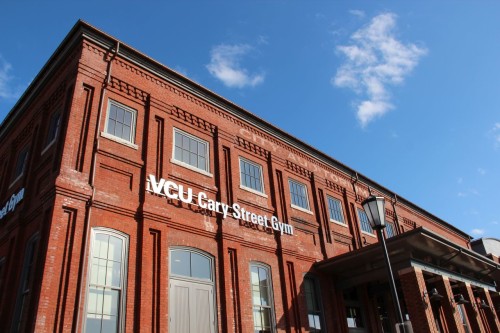
Virginia Commonwealth University Cary Street Gym

Architect: Wilfred E. Cutshaw Date: 1891 Address: 101 S. Linden St. 2010 renovation and expansion by Moseley Architects (lead), Smith+McClane Architects (exterior) and Hastings+Chiverta Architects (consulting) There may be no more popular building on the Virginia Commonwealth University Monroe Park campus than the Cary Street Gym on the southern edge of the sprawling grounds. This …

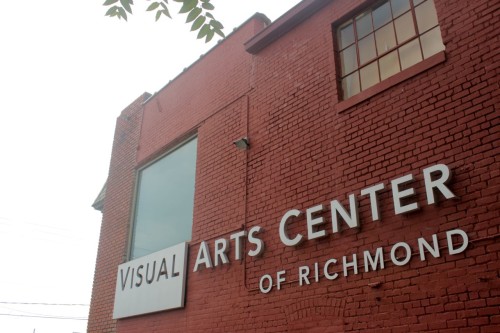
Visual Arts Center of Richmond

  Architect: 3North (renovation) Date: 2007 (renovation) Address: 1812 West Main Street Founded in 1963 as the Hand Workshop by Elisabeth Scott Bocock, the Visual Arts Center of Richmond’s first location was in Church Hill. The original mission promoted showcasing and instructing crafts of both established artists and the city’s youth. It moved into its …

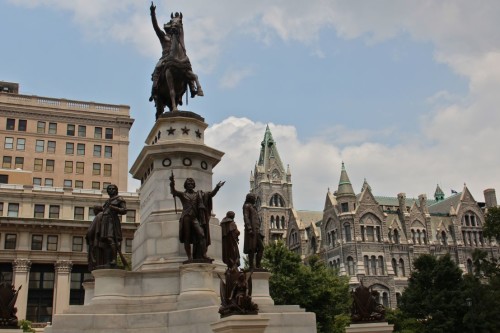
Capitol Square

  1780, original layout by Thomas Jefferson and Directors of Public Works 1816, first landscaping plan by Maximilian Godefroy. 1850-1860, second landscaping plan by John Notman Bounded by Ninth, Bank, Governor and Capitol streets (the latter two now closed to vehicular traffic)  A prominent Broadway producer and native Virginian, the late Richmond Crinkley once said …

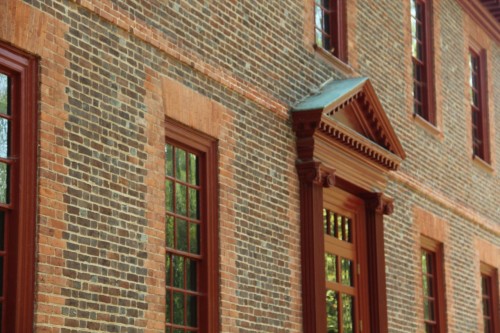
Wilton House

    Date: 1753 Address: 215 S. Wilton Rd. Constructed in 1753, the Wilton House Museum is among the oldest buildings in Richmond. Originally, it served as the rural plantation home of the influential Randolph clan, one of the First Families of Virginia. It was moved to its current location in Richmond’s affluent West End …

University of Richmond

Architect: Cram and Ferguson, architect; Carneal and Johnston, associate architect; Warren Manning Associates, landscape architect. Date: 1914 Address: 28 Westhampton Way  Many Richmond commercial and residential areas developed westward after the installation of electric streetcars in 1888. The University of Richmond, which was located near the intersection of today’s Lombardy and Grace streets, established a …

Model Tobacco Building

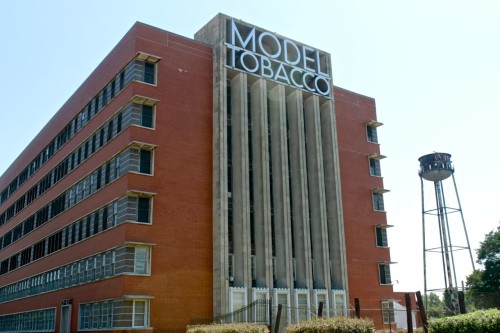
Architect: Schmidt, Garden and Erikson Date: 1940 Address: 1100 Jefferson Davis Highway (U.S. Route 1) Nowhere in Richmond do building location, architecture and unifying graphics come together more powerfully and memorably than at the Model Tobacco building, a former factory that is one of six buildings in an industrial neighborhood of South Richmond. This six …

Maggie L. Walker Governor’s School

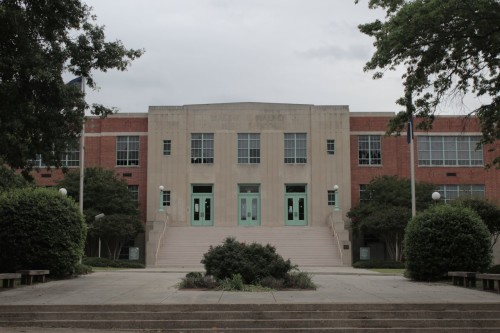
Architect: Carneal, Johnston and Wright, Restoration by BCWH with Saddler and Whitehead Date: 1938, expansion in 1963, restoration in 2002 Address: 1000 N Lombardy St Maggie Walker High School’s creation is the result of several incidents occurring at the same time. In 1934, Richmond icon Maggie L. Walker passed, and the city wished to honor her name in …