The Source for Richmond Architecture and Design Information

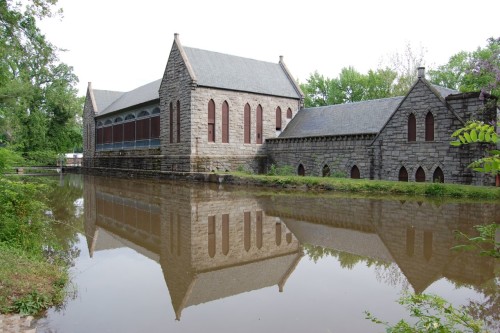
Pump House Park

Architect: Wilfred E. Cutshaw Date: 1882 Address: 1708 Pump House Dr Tucked away along the Three-Mile Locks of the Kanawha Canal, a weighty Neo-Gothic structure rises over the water, a symbol of utility, conviviality and mystery. Massive gabled slate roofs look out across the river from their overgrown land, neglected but not forgotten. The great …
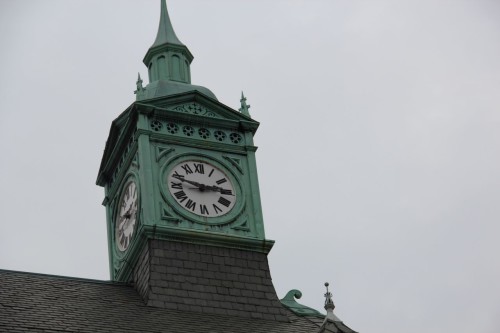
Union Presbyterian Seminary

Architects: Charles H. Read, Jr.; The Glave Firm; and Glave & Holmes Architects Date: 1896 and additions and renovations Address: 3401 Brook Road, Richmond Travel along Brook Road through the Ginter Park neighborhood and you’ll unsuspectingly come upon Watts Hall. This glorious hulk of a building houses administrative offices, classrooms and a chapel at Union …

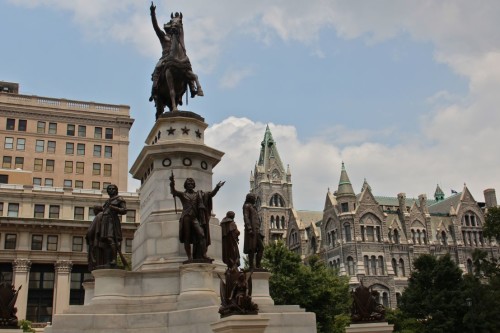
Capitol Square

  1780, original layout by Thomas Jefferson and Directors of Public Works 1816, first landscaping plan by Maximilian Godefroy. 1850-1860, second landscaping plan by John Notman Bounded by Ninth, Bank, Governor and Capitol streets (the latter two now closed to vehicular traffic)  A prominent Broadway producer and native Virginian, the late Richmond Crinkley once said …

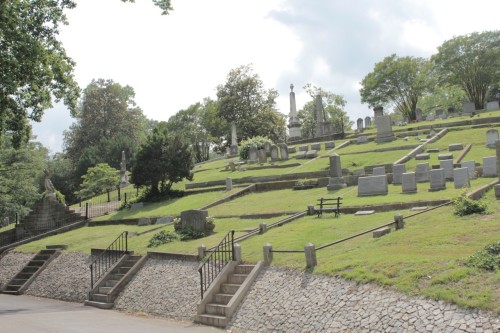
Hollywood Cemetery

Architect: John Notman Date: 1847 Location: 412 S. Cherry St. While named in 1849 for the holly trees scattered across its hilly 130 acres, the name Hollywood Cemetery could easily signify the historical celebrities interred there. This area formerly known as Harvie’s Woods was owned by William Byrd III before passing through the hands of …

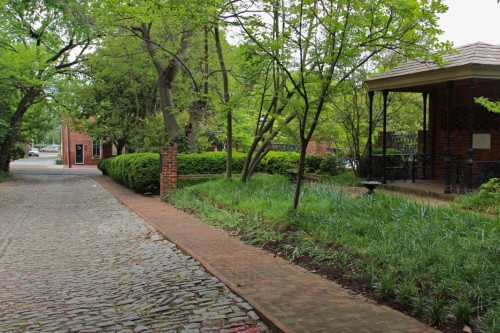
St. John’s Mews

Landscape architect: Ralph Griswold Dates: 1963 Address: Between East Broad Street and East Grace Street, bounded by 23rd and 24th streets In the early 1950s Richmond’s downtown was still vibrant with residents, retail, restaurants, and electric street cars and yet Church Hill, our city’s oldest neighborhood and certainly one of the most beautiful, was in …